


press release


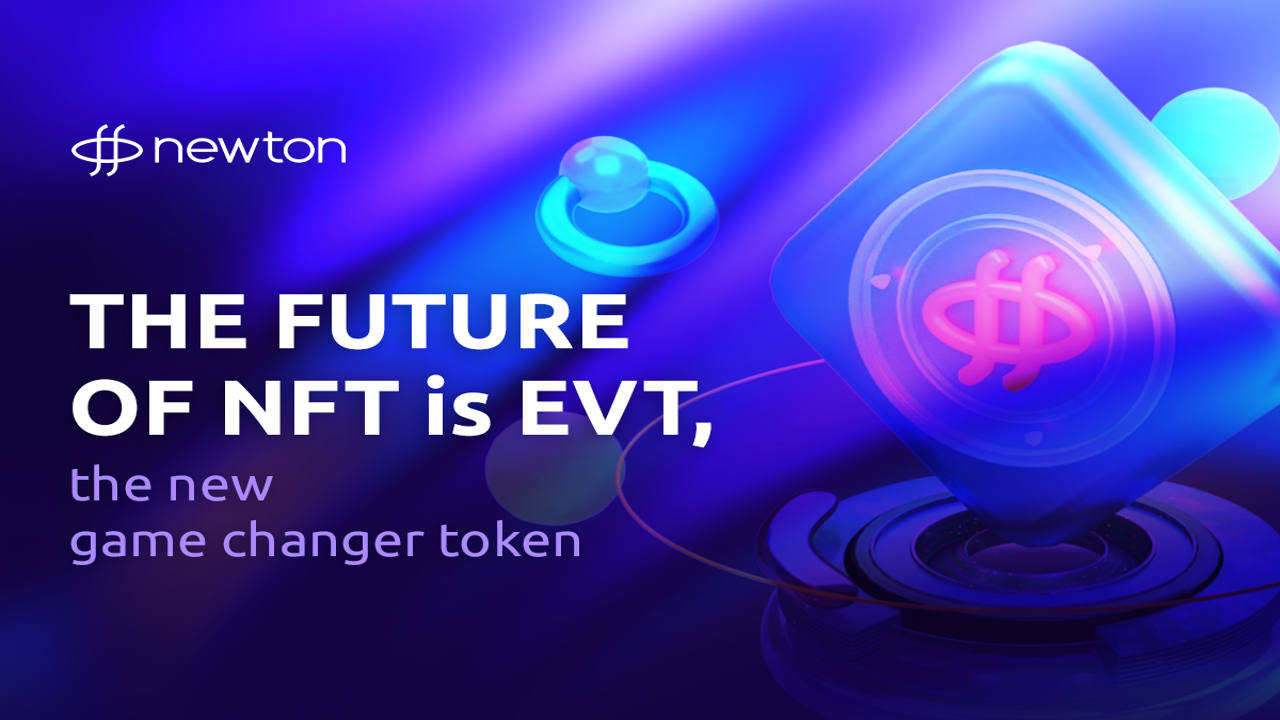
PRESS RELEASE. EVT (Encrypted Variable Token) is said to be the upgraded version of NFT (Non-Fungible Token) and will eventually replace NFT soon for creatives. Is this possible? Here is an insight into how the backbone tech of these tokens works.
What is NFT? (Non-Fungible Token)
A non-fungible token is a financial security consisting of digital data stored in a blockchain, a form of a distributed ledger. The ownership of an NFT is recorded in the blockchain and can be transferred by the owner, allowing NFTs to be sold and traded.
An NFT is a spreadsheet with a record and a code that facilitates how this record is updated. What’s inside the NFT is metadata, which could be an artwork, mp3, mp4, or a digital file. Some argue that NFT can fundamentally change the creator terrain and how art trades; however, this is misconceived and untrue. Most artists rushing into NFT creation have the misconception that people can trade their work with residual royalties. However, this is not true due to structural limitations in the code.
The art trade has long been tolerated by artists and creatives simply because there were no better options to get their work out. Artists needed curators because curators often provided the clientele and the physical space for artists to display/sell their work. Often, the management fees are grossly imbalanced, with curators taking more than 60-70% of the deal, leaving the artist enough money to sport their frugal lifestyles and continuously create work.
The big myth is that NFTs can change all of that. Unfortunately, it doesn’t and here’s why:
An artist creates a painting in the form of an NFT and posts it on OpenSea, and a user named Bob purchases the NFT for $1000. The smart contract stipulates that the artist receives 30% of the sale, so if Bob buys it, the artist will get $300, but not if Bob later becomes a curator and resells it.
The artist hoped the NFT would eventually trade for tens of thousands or…