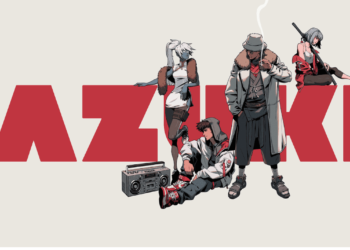




Artist Rei Yumesaki learned in late November through one of her fans that her digital art was put up for sale on a U.S.-based website without her permission.


Yumesaki had created a 3-D model of a cute anime-like character she calls Tsukuyomi-chan. She has been sharing it with the public online as free material that anyone can use for their own purposes–so long as they follow the terms of use.
But the character was put up for sale without copyright credit, breaching those terms, and was disguised in a way that no one would know it was material licensed for free use.
“I provided my work free of charge on the internet to help other people, but I am sad to see that my works were used fraudulently,” Yumesaki said.
She is one of a growing number of artists this is happening to.
A lack of safeguards and screening procedures on some marketplaces for digital art has contributed to the increase in digital art scams, raising copyright concerns for artists like Yumesaki who get ripped off when their creations are sold behind their backs.
It is also creating a buyer-beware atmosphere for would-be customers who may find it difficult to get their money back after learning they effectively purchased a stolen work.
The website Yumesaki’s character was listed on is called OpenSea, one of the largest NFT marketplaces in the world.
An NFT, or non-fungible token, is a unique digital identifier that cannot be copied. It acts as a sort of proof-of-ownership certificate for digital artworks or similar intangible assets.
NFTs are extremely difficult to fabricate or duplicate because they are stored on a blockchain, which is a digital cryptographic ledger.
They make it possible for the possessor to effectively own a digital asset, including anything from photos, videos and short animated clips to music, artwork, items in video games and more.
NFT certificates are traded on websites called NFT marketplaces, such as OpenSea–sometimes for…