




China’s tech giants are hopeful of launching metaverse and non-fungible token (NFT) businesses despite suffering a torrid year at the hands of the country’s vehemently anti-crypto government. Heavy-hitters including JD.com and Alibaba have laid out plans that involve metaverse and NFTs, although regulations have forced them to make cosmetic name changes.
Under pressure from Beijing, which has shaved billions from their stock market worth by clipping their wings this year, tech firms have begun referring to NFTs using terms such as “digital collectibles.” They have also placed limits on secondary trading, and such items are traded on private blockchain networks, unlike NFTs elsewhere, which are usually traded on Ethereum (ETH) and other well-known protocols.
However, instead of sitting by helplessly and watching as their American, Japanese, South Korean, and European rivals forge ahead with their own metaverse and NFT projects, it appears that Alibaba and the like that even the limited progress they are allowed to make under Beijing’s tight controls is better than sitting still.
Per a report from the Global Times, as well as Next Money and the South China Morning Post, the firms have sprung into action, building on their existing NFT businesses in many cases.
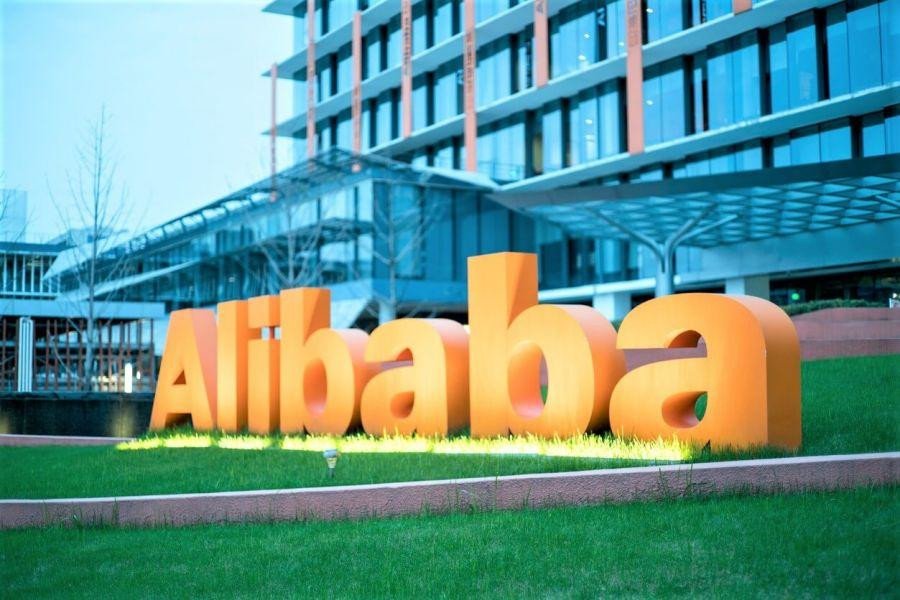
As such, Alibaba has rolled out a new subsidiary named Yuanjing Shengsheng, arming it with USD 1.58m in capital backing. “Sources familiar with the matter” (identified by the South China Morning Post as Alibaba employees) confirmed that the new subsidiary would be metaverse-orientated, but did not expand any further on the matter.
Other players may seek to use international avenues to push ahead with their own expansion plans.
As a gaming giant with huge entertainment industry operations, Tencent will likely feel that it simply cannot afford to be left behind in the metaverse race. The firm’s domestic NFT (or…