


Bored Ape Yacht Club nonfungible token creator Yuga Labs Inc.’s trademark infringement lawsuit against two artists who allegedly sold unauthorized copycat NFTs depicting digital images of apes, survived a motion to dismiss and allegations it was brought to suppress the artists’ speech.


US District Judge
Walter also denied Ripps and Cahen’s Anti-Strategic Lawsuit Against Public Participation motion, which argued the lawsuit was attempting to suppress protected speech and criticism of racist dog whistles allegedly embedded in the Bored Ape NFTs.
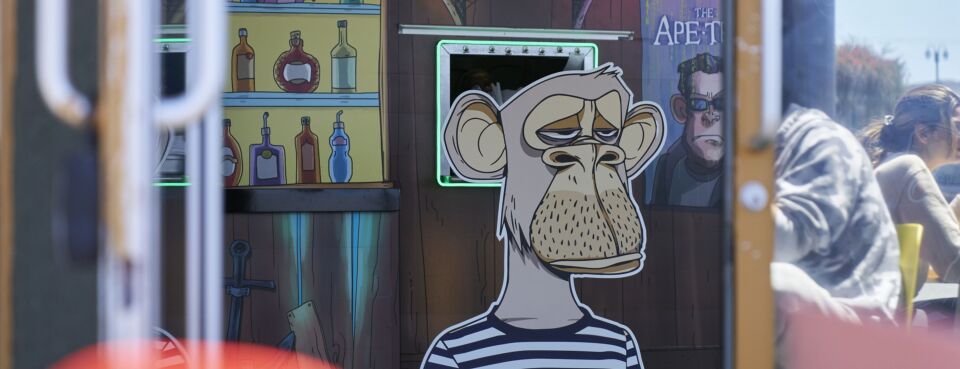
The Bored Ape NFT collection, released in 2021, depicts cartoon profile pictures of apes and achieved enormous popularity after being endorsed by celebrities like Justin Bieber and Paris Hilton. The NFTs have generated in more than $2 billion in total sales.
Yuga Labs brought the lawsuit in the US District Court for the Central District of California in June, alleging that Ripps scammed consumers into purchasing fake Bored Ape NFTs using Yuga Labs’ registered trademarks. Ripps, a visual artist and designer, said that his NFTs, called “RR/BAYC,” critiques neo-Nazi and alt-right imagery found in the real Bored Ape collection.
Louis Tompros of Wilmer Cutler Pickering Hale & Dorr LLP, who represents Ripps and Cahen, said the artists will continue fighting the suit as it proceeds to discovery and trial.
“This was protected First Amendment expression and artistic criticism that Ryder was engaged in, and we look forward to proving that,” Tompros told Bloomberg Law.
Ripps sought dismissal based on the Rogers test, a legal doctrine that allows the unauthorized use of a trademark as long as it is artistically relevant and doesn’t explicitly mislead consumers.
But the judge was unconvinced, finding that…