





The overwhelming market capitalization of cryptocurrency has now crossed the $2 trillion mark. As the market continued to make waves in industries from finance to healthcare, its startups and businesses have turned to distinct fundraising pathways.


When a company wants to raise funds to launch a new product or expand its sales, traditionally, it has to rely on financial loans from either banks or venture capitalists. However, with the success of cryptocurrencies (Bitcoins and Ethereum) and their legalization in many regions around the world, a new fundraising strategy surfaced.
Companies initiated a process called fundraising via token insurance. As per the process, they sell crypto-tokens to the public in exchange for Ethereum, Bitcoins, and FIAT currencies. It was when the first-ever method to carry out token sales was launched back in 2017- the initial coin offering (ICO).
In this article, we are going to give you a detailed overview of the ICO fundraising progression, covering the launch of IEO (initial exchange offer) along with highlighting some major developments in IDO (Initial Dex Offering).
Initial Coin Offering – ICO
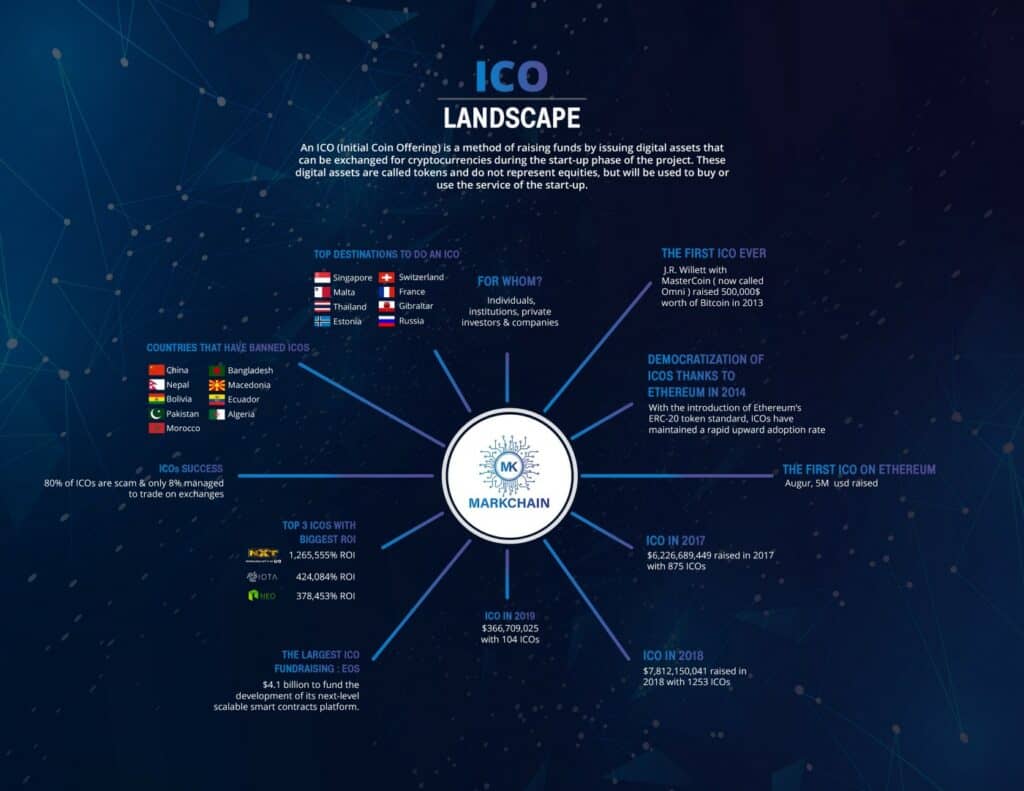
Entering the public lexicon back in 2017, initial coin offerings are defined as a “decentralized method of financing.” It’s a novel concept that was introduced in 2013 when the Mastercoin project was proposed by J.R. Willet, who used it to raise 4740 bitcoins to work on their new platform.
Contributing to the democratization of financial investments, ICO allows the financing of progressive business ideas and plans at a global level.
As part of the ICO process, companies have to issue unique Tokens or Coins which are allotted to the investors in exchange for their contributions. Three main forms of tokens appear:
- Currency Tokens – for exchange or trading, like cryptocurrency.
- Security Tokens – As a…