



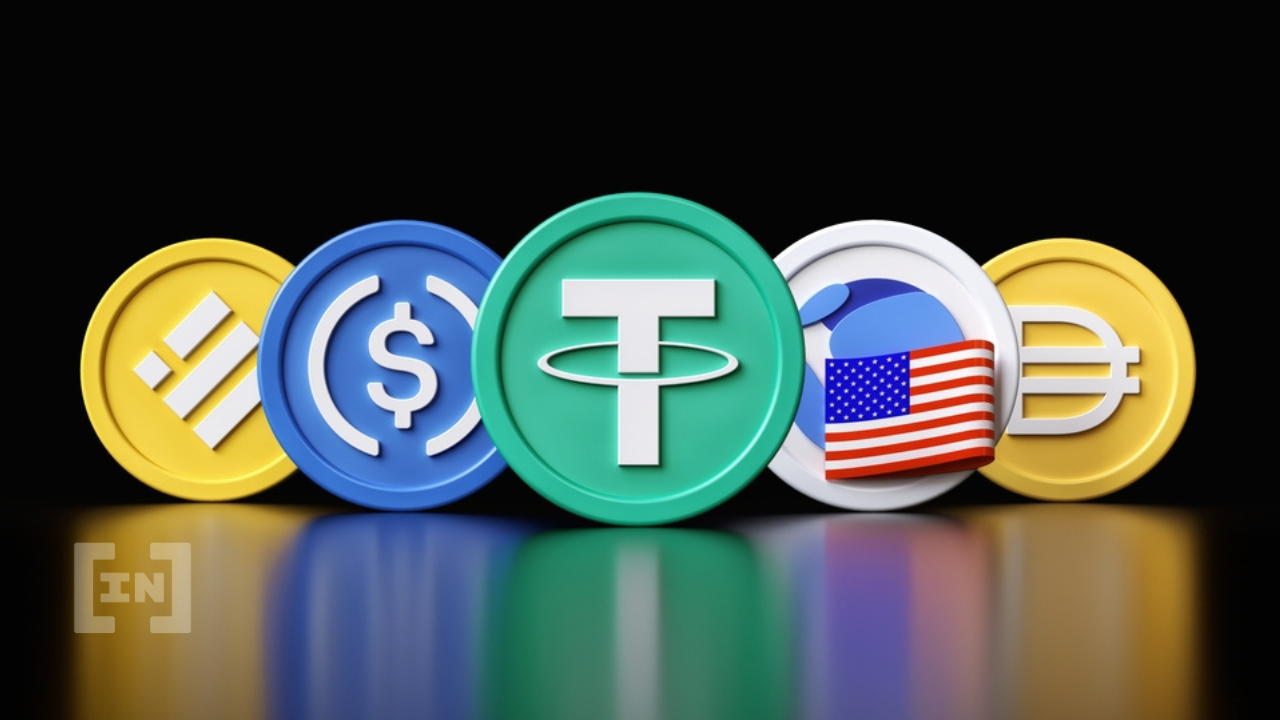
A Stable Currency Would Retain Its Purchasing Power Over Time
Most of the world’s fiat currencies have a high rate of inflation, which causes consumers’ purchasing power to decrease. To prevent their savings from depreciation due to increasing prices, people must find better investments with today’s record-setting inflation rate.


Some claim that cryptocurrencies can reduce the effects of hyperinflation, but few scenarios have tested this theory. Bitcoin’s performance does not support this belief. In fact, the country of El Salvador is down over $60M year to date on their BTC bet.
Cryptocurrencies have not yet been shown to completely eradicate hyperinflation, but they may be able to lessen it.
Despite this, there is optimism in the introduction of a new class of stablecoins that could counteract the impending effects of inflation.
How Stablecoins are Supporting Decentralized Finance
Stablecoins have become the bedrock of DeFi, since the majority of the dApps and smart contract applications- including market making, collateralized loans, derivatives, asset management and many other decentralized financial tools, services and protocols-rely heavily on stablecoins in order to minimize friction in their users’ experience.
Examining the Worldwide Effects of Stablecoins
Stablecoins have created opportunities for people all over the world to save, access, and use their capital in ways that weren’t possible before, particularly in countries that mostly lack banking services.
Consequently, individuals in many growing countries now have a secure and practical way to take part in international financial markets.
Stablecoins have made a huge impact on international money transfers, making it simpler and much more affordable for foreign workers to send funds to family members living in developing nations.
Only recently did many people get to know about stablecoins from world news, which highlighted how hard it is for governments to abuse the financial…