


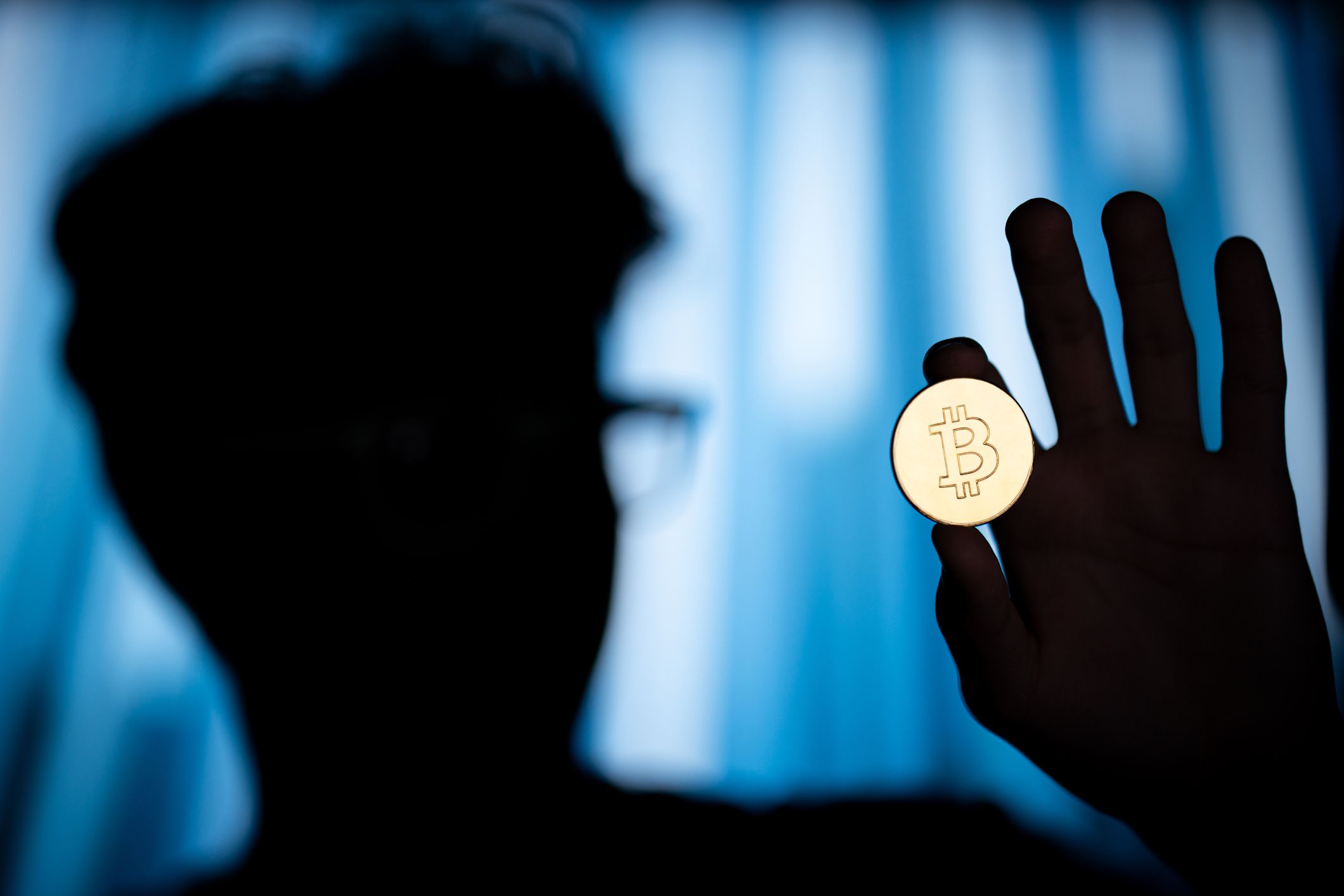


Is cryptocurrency bad for the environment? Yes. Indeed, all economic activity contributes to a collective environmental impact. But why and how is cryptocurrency worse compared to other forms of money?
This article provides an overview of cryptocurrency’s footprint and discusses potential environmental improvements—some of which we are already seeing take place in the industry.
What Is Cryptocurrency?
Cryptocurrency is money existing only in digital form, with Bitcoin being the original and most well-known. It exists as bits of data stored in blockchains—networks of computers each with an open-source copy of the entire currency’s ledger of transactions, making forgery and fraud virtually impossible.
Environmental Impacts of Cryptocurrency
The problem with cryptocurrencies is their energy consumption. The majority of that consumption comes from crypto-mining, which is the use of computers to solve increasingly difficult 64-digit strings of random numbers and letters.
The “miner” who solves this riddle first is rewarded with new Bitcoins or other currencies, which can earn the miner hundreds of thousands of dollars. This has led to a Gold Rush-like search for faster and more powerful computers—and higher and higher amounts of energy consumed.
In 2021, Bitcoin mining alone consumed an estimated 121.36 terawatt-hours (TWh)—more electricity than Argentina, or roughly what’s annually used by vampire power in the United States.
One influential 2018 article in Nature Climate Change warned, “Bitcoin emissions alone could push global warming above 2 degrees C.” (The article has been criticized for not adequately accounting for the different sources of electricity Bitcoin mining uses, an estimated 50% of which are renewable.) Indeed, the energy needs of cryptocurrencies have become an issue of major concern, leading to a Congressional hearing on “Cleaning Up Cryptocurrency: The Energy Impacts of Blockchains” in January 2022.

Related Posts
BingX Reports Strong Q1 2026 Growth as AI Users Surpass 5 Million and TradFi Hits 50% of Volume
Q1 2026 Highlights: BingX launched the TradFi Market, delivering a multi-asset suite of stocks, indices, commodities, and forex, with over...
تسجّل BingX نموًا قويًا في الربع الأول من 2026 مع تجاوز مستخدمي الذكاء الاصطناعي 5 ملايين ووصول TradFi إلى 50% من حجم التداول
أبرز إنجازات الربع الأول 2026: أطلقت BingX سوق TradFi، مقدّمة مجموعة متعددة الأصول تشمل الأسهم والمؤشرات والسلع والعملات الأجنبية، مع...

Sahm Capital Opens New Jeddah Office to Strengthen Investor Support as User Base Continues to Grow
JEDDAH, Saudi Arabia — (ARAB NEWSWIRE) — Sahm Capital, a fully licensed financial company regulated by the Capital Market Authority...
شركة سهم كابيتال تفتتح مكتباً جديداً في جدة لتعزيز دعم المستثمرين مع استمرار نمو قاعدة المستخدمين
JEDDAH, Saudi Arabia — (ARAB NEWSWIRE) — يقع المكتب الجديد في حي الزهراء على طريق الملك عبد العزيز، مما يُمكّن شركة...

BingX Renews Chelsea FC Partnership, Bolstering Leadership in Global Sports Strategy
PANAMA CITY (ARAB NEWSWIRE) – BingX, a leading cryptocurrency exchange and Web3-AI company, today announced it will renew its partnership...