


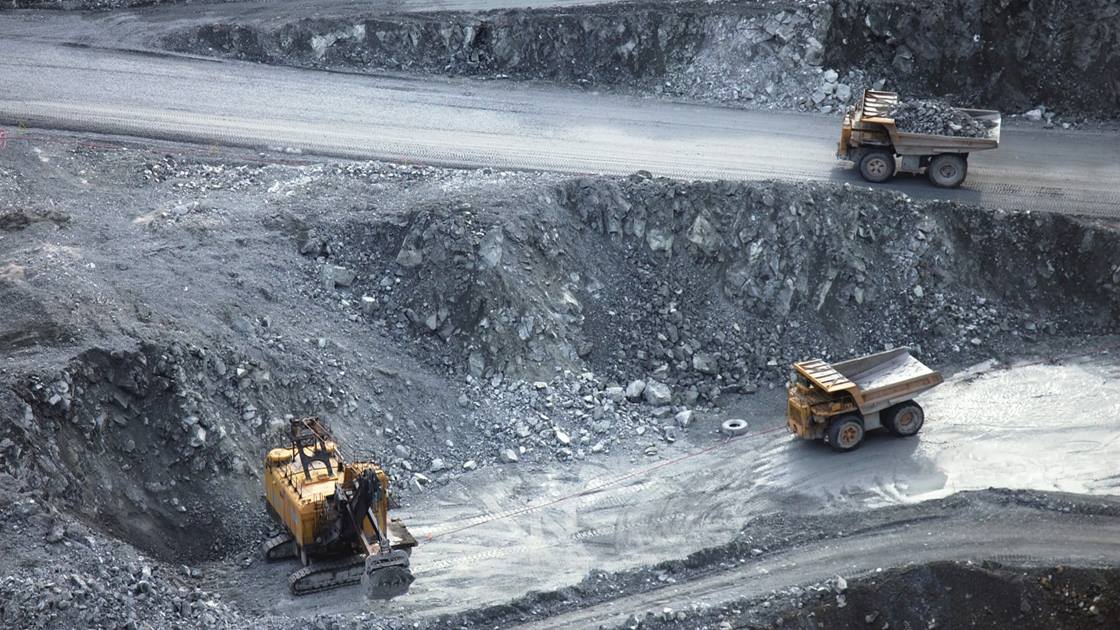
With the mining sector looking to amplify the focus on ethical and transparent mining practices, as can be seen through the International Council on Mining and Metals 2022 – 2024 strategy and action plan, the industry has been seeking ways in which these practices can be implemented. It is intended that such practices will not only help to mitigate sustainability and reputational risks, but also play a role in modernizing supply chains. To this end, we have seen companies start to develop their own blockchains, such as Teck Resources Limited which has partnered with DLT Labs to develop a blockchain capable of tracing natural materials, adding a welcomed layer of transparency. However, there are a number of challenges and issues that arise when considering blockchain technology; stakeholders will need to assess the relevance and scalability of the technology if it is to become an industry standard going forward.

A blockchain is a ledger of digital items, tokens, and cryptocurrencies, recording who owns what at a particular point in time. Each blockchain user retains a copy of that data on their device and has a specific account only accessible to them. If a user owns a digital item and wishes to transfer it, the owner has a private key that allows them to transfer ownership of the item to someone else. The data is updated each time a transfer occurs. User data held on a blockchain is encrypted with a private digital key. Ownership is updated via a decentralized immutable ledger, with the data almost impossible to alter. This creates complete transparency, as anyone using a blockchain (whether centralized or decentralized) can see exactly what transfers have occurred, when, and between whom (the digital address). This level of transparency is one of the key attractions of blockchain technology to the mining sector.
The inbuilt transparency of blockchain technology has enabled mining companies to start utilizing the technology in relation to…