


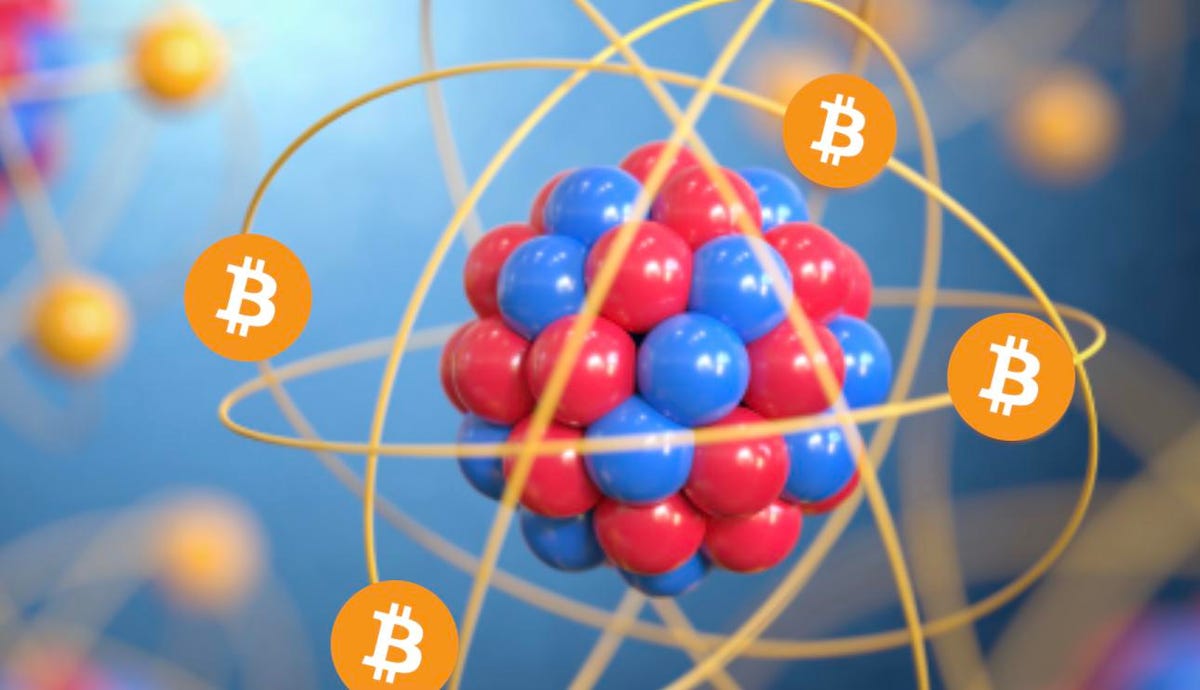
Atomic structure (with bitcoins).


Bitcoin molecules
Summary: By using energy, Bitcoin is able to issue money in a way that is free and fair for everyone in the world.
It hasn’t been an easy decade for Bitcoin critics.
After arguing at length that Bitcoin was a bubble, a worthless digital trinket destined to fall to zero, observers will notice a recent shift in criticism. Of late, the charge has become that Bitcoin is too successful, and that its success will necessitate an environmental catastrophe.
A former skeptic of Bitcoin myself, I can sympathize with the sentiment. At a time when trust in institutions – be it governments, Wall Street, or Silicon Valley – is low, it’s easy to be critical of claims that Bitcoin’s use of energy is a benefit to society.
Regardless, the unspoken implication is clear: there is a widespread perception that Bitcoin investors are lying about the impact of its energy use for personal gain.
Still, it is the belief of this author that arguments about Bitcoin should be grounded in a faithful examination of the claims on either side, and it is for those who remain open-minded to the potential of a better, fairer monetary system that this article is written.
After all, for someone who has been following the debate, arguments that focus on evaluating the quantity of Bitcoin’s energy use, or the morality of why this level of energy use is justifiable, don’t quite cut to the essential question.
Just as it’s impossible to debate Bitcoin’s price without understanding its value as a money free from government influence, it’s impossible to evaluate Bitcoin’s energy use without learning why energy is essential to the operation of such a money.
Make no mistake, despite claims to the contrary, energy is essential to Bitcoin’s operation.
If Bitcoin did not use energy, its design would simply not offer benefits over existing government monies, and it would fail in providing a viable…