



This is an opinion editorial by Mark Jeftovic, cofounder and CEO of easyDNS Technologies Inc. and author of “Managing Mission Critical Domains and DNS.”
From the moment I discovered Bitcoin back in 2013, I knew there would eventually have to be a way to reference wallet addresses using human-readable labels.
The big problem with Bitcoin’s long addresses is that they are not memorable, and despite the pseudonymous or anonymous features of Bitcoin, a lot of the time you want to be able to easily assert or verify that a wallet address belongs to a specific entity — think donations to a charity or a crowdfund. This affects every blockchain.
As a DNS (domain name system) guy, I’ve seen this movie before: DNS was invented to solve the same problem with IPv4 addressing. Over time DNS evolved to do much more — not only did DNS add the capability to resolve IPv6 addresses, but it is also increasingly used to convey metadata about a namespace. Think SRV records, NAPTR’s, RBL blocklists, response policy zones (RPZs) and the ubiquitous TXT record (which is used for SPF, DMARC, DKIM and anything else that doesn’t natively fit the protocol).
Along comes Bitcoin and we have the same problem, writ large.
The Problem Specific To Bitcoin And Lightning
It’s looking like much of the payment transaction activity will move to Layer 2 with protocols like Lightning, and most recently the advent of the Lightning Address.


Lightning Addresses rely on the LNURL-pay protocol, and they look pretty much like an email address:
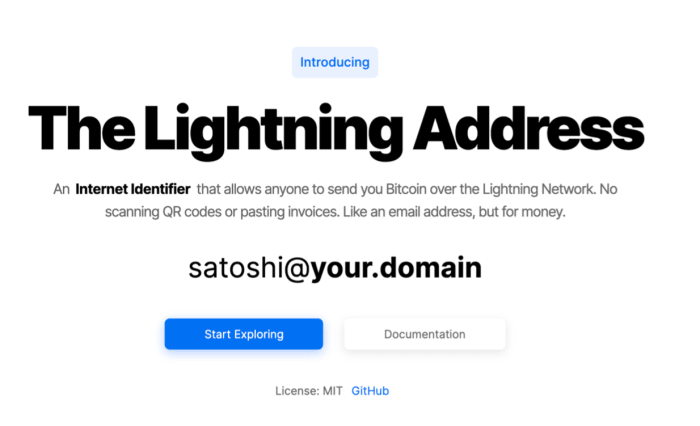
via: https://github.com/andrerfneves/lightning-address/blob/master/README.md
The email address nomenclature is the perfect way to convey identity information. It easily demarcates organizations and further subdivides to units or people within it. Everybody is already used to this format and as we’ll see, has the potential to convey much more information than destination mailboxes.
For years I was anticipating this format becoming the de facto standard for…