



Stablecoins have always been a suitable alternative for crypto investors who wanted the stability of fiat and the freedom of cryptocurrency.
These digital coins are usually tied to a fiat currency, making their values largely unchanging. So, investors can use them to easily conduct crypto transactions without fear of their value suddenly dropping. But are stablecoins a good hedge against inflation? We will find as you read further. Also, in this article, we will be introducing you to three alternatives to USDT which are – D2T, IMPT , and RIA.


The confidence of many investors was shaken in May 2022 when the value of TerraUSD (a stablecoin) and Luna, crashed. TerraUSD (or UST) is a stablecoin on the Terra blockchain, and Luna is its sister altcoin on the same blockchain. TerraUSD is an algorithmic stablecoin that isn’t backed by a fiat currency, but by an algorithm that linked it to Luna.
Nonetheless, the de-pegging of UST (and its subsequent crash) led to a fall in Bitcoin’s value and that of other cryptocurrencies. This has got many investors scared that the Tether blockchain and its USDT token can avoid this fall in value.
What is Tether?
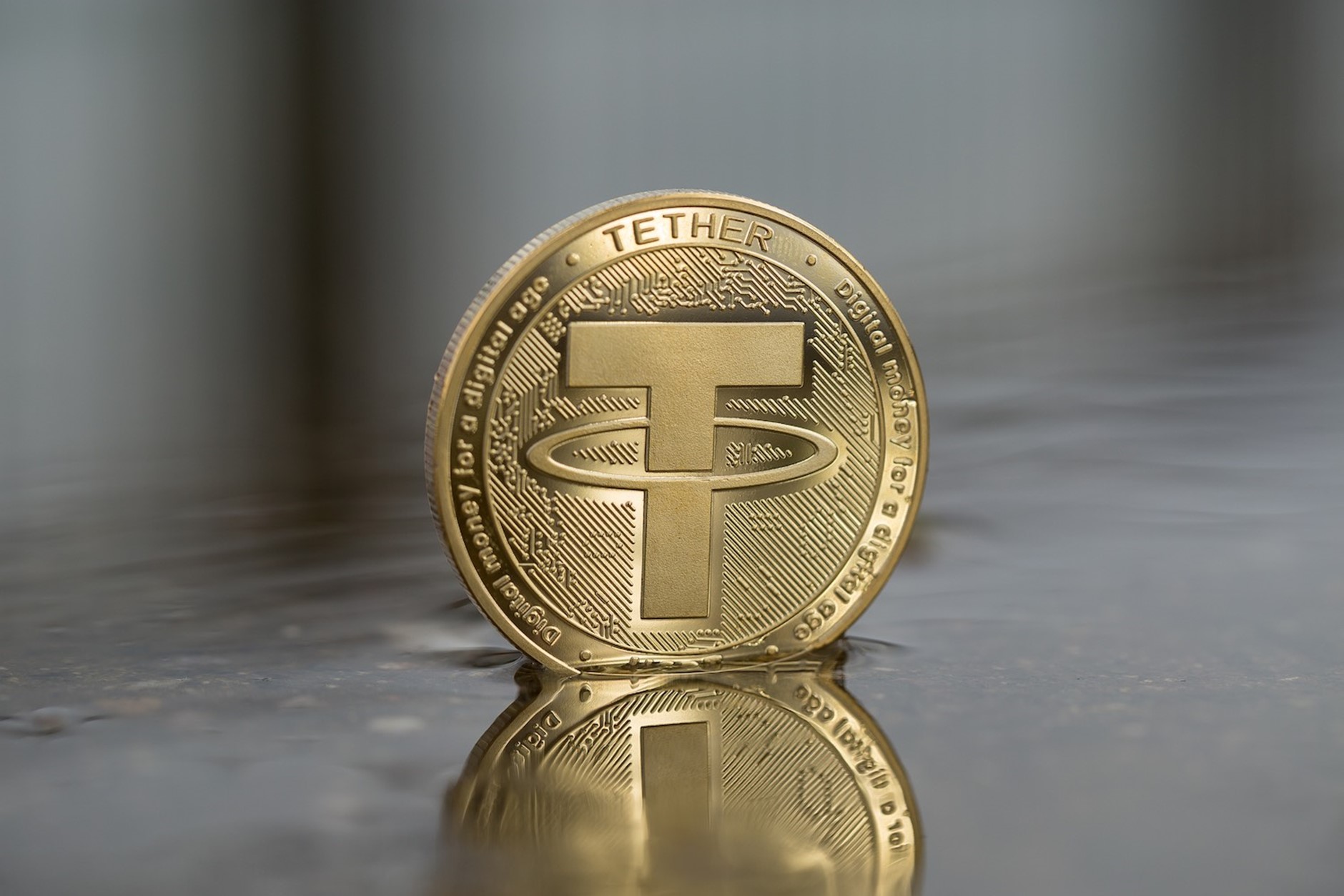
Tether is a stablecoin that’s pegged to the United States (US) dollar. This allows this digital coin to maintain a 1:1 relationship with the US dollar. It’s also one of the largest stablecoins around, with many people seeing it as the biggest stablecoin.
The Tether network was founded in October 2014 by Brock Pierce, Reeve Collins, and Craig Sellars. The native token of this blockchain network is USDT. Since 1 USDT is pegged to one dollar, this digital coin can serve as a store of value for investors.
Apart from the Tether network, other blockchains such as Bitcoin, Ethereum, Tron, and Algorand also support USDT. This stablecoin also offers noteworthy cryptographic security and peer-to-peer trading facilities. It also offers large-scale liquidity for a stablecoin, and this…