



Using the term blockchain in a conversation will usually lead to a discussion about several newsworthy subjects, such as cryptocurrency, the metaverse, and Web3.

Theoretical, next-generation technological developments tend to dominate talks on technology. Blockchains have created entirely new asset classes for investors in cryptocurrencies and non-fungible tokens (NFT). They will fuel a new generation of inventions based on intangible concepts such as the metaverse and Web3.
According to Kieran James-Lubin, CEO of BlockApps, the potential of blockchain will be realised in more traditional domains. BlockApps is a blockchain technology company that focuses on real-world applications of the technology to improve the efficiency and security of corporate operations.
“You hear something different from most blockchain people. Maybe it’s a personality thing, but I think the greatest promise for blockchain technology is in improving the world as it is today,” said James-Lubin. “It’s less about creating a whole new world on a blockchain for all of us to inhabit or all these interesting new asset classes.”
There are practical blockchain applications.
BlockApps searches for transactions with insufficient transparency and trust. First, James-Lubin has identified a unique potential in the food market, where consumers and restaurants are more concerned about sourcing.
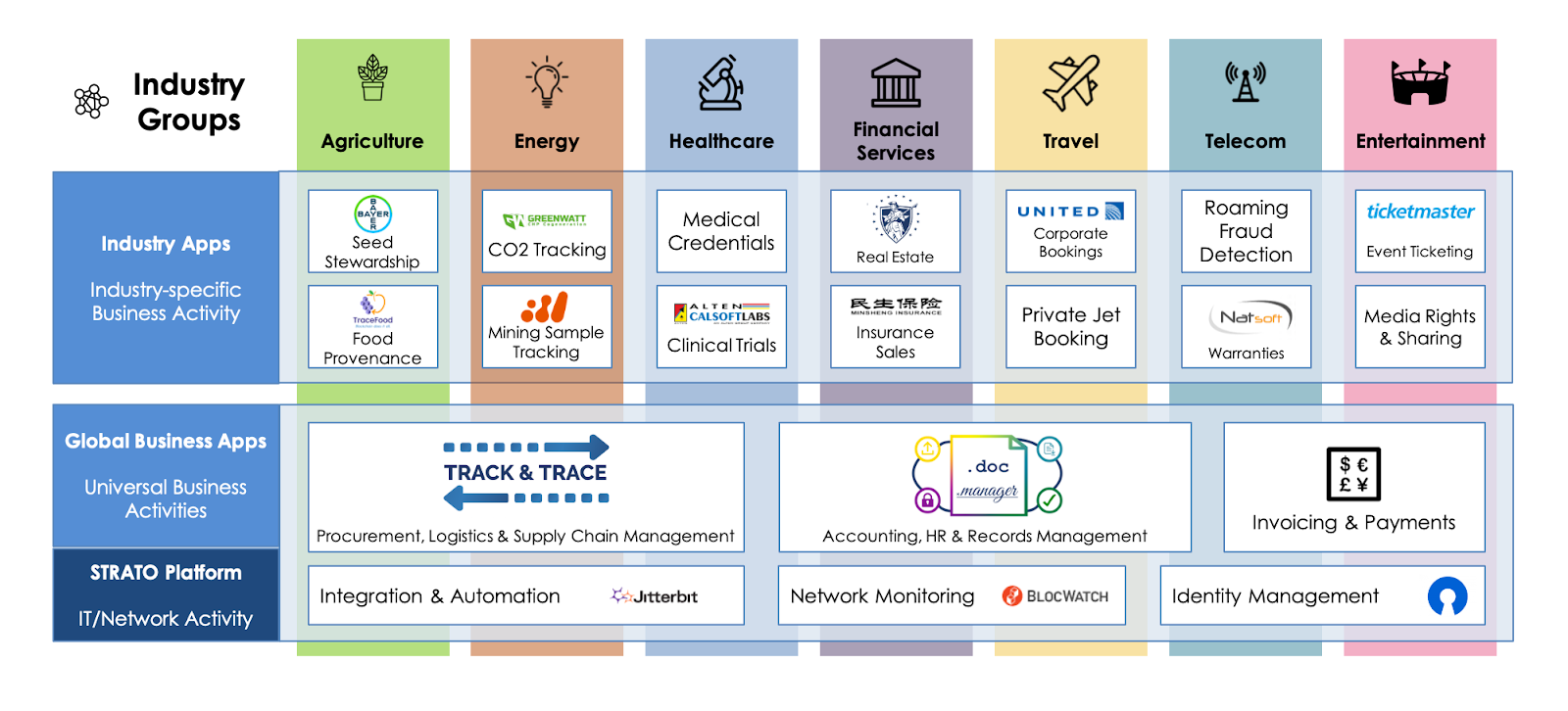
BlockApps can assist food producers, and customers trace where their food has been and what procedures it has experienced from seed to table by utilising blockchain technology.
This trend began with food, according to James-Lubin, who noted that there is a growing need from consumers for openness in supply chains. People used to take the retailer’s word when they saw labels such as products from Argentina or Australia or organic in grocery stores. Now they want to know what it implies, such as whose farms the food came from and what happened to it along the…