




Share this article
After the ICO bubble popped in late 2018, projects scrambled to find new ways to raise money. After briefly courting the Security Token Offering, markets settled on a ‘new’ concept: the Initial Exchange Offering. Is this new model really an improvement over the original?


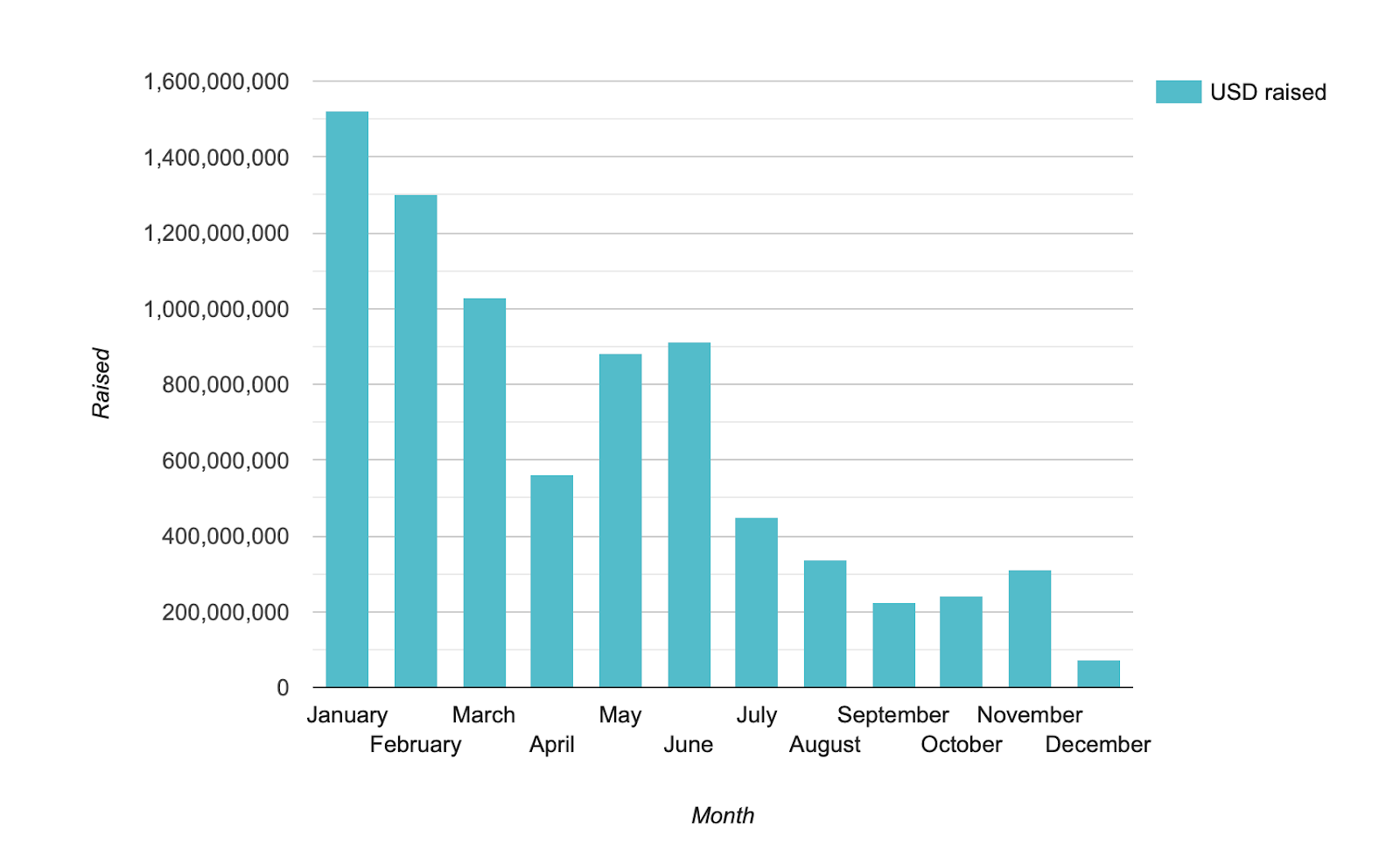
Though the ICO market quickly grew to billions of dollars in collected funds through 2017, the last months of 2018 saw funding dry up. Only $74 million was collected in December, less than what some stand-alone projects raised only a few months earlier.
The IEO: An ICO By Another Name?
Unlike ICOs, Exchange Offerings are launched in collaboration with a cryptocurrency exchange. In theory, exchanges should be screening the projects they list, only allowing ‘legitimate’ projects on their platforms.
The majority of IEO’s are ostensibly selling utility tokens that are very similar to those offered in earlier ICOs. While the regulatory landscape is complicated, the lead U.S. regulator has clearly stated that most ICO token sales are securities issuances.
This poses a sizeable degree of risk for both IEO issuers and contributors. Investing in a project only to see it entering a deathmatch against the SEC is not a particularly exciting prospect.
On a fundamental level, the formulas remain the same: give the project money, obtain tokens. However, exchanges give a valuable service to token issuers. In addition to providing a ready-made platform, they solve one of the crucial issues for any crowdfunding initiative — finding interested people.
How the IEO Popped Into Existence
One reason for the fall of the ICOs was the inability to market them. Facebook, Google, Bing, Reddit, Twitter and other digital marketing platforms all banned ICOs in the first half of 2018.
Digital ads provided a reliable and measurable medium to reach outsiders. Without them, the ICOs were left competing for a dwindling pool of existing crypto…