





We’re going to continue our conversation of Bitcoin’s role in humanitarianism, this time in the realm of private property rights. But before we talk about that, we need to understand why private property is so important.
One of the biggest drivers of economic growth and higher standards of living is private property rights.
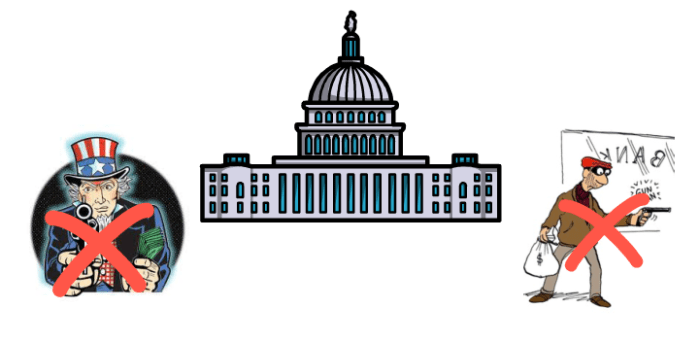
This is the idea that you own the fruits of your labor as well as anything else you purchase with the fruits of your labor. To illustrate this, let’s say you are working at a company and you save enough money to buy a car. The money you earn (which is the fruit of your labor) and the car are both your property. The government has to protect your property from theft by other private individuals, and the government itself cannot take your property without due cause and/or just compensation.
(Design/Siby Suriyan)
Private property rights are important because they incentivize productivity. People are disincentivized to work if the money they earn or the stuff they buy can be confiscated without warning or compensation.

(Design/Siby Suriyan)
And in a society where people are disincentivized to work, there are fewer products and services available and less innovation occurring. These three factors are the key drivers in improving a region’s standard of living. Private property rights are the reason why there are better cars every year, better phones, computers and faster internet.
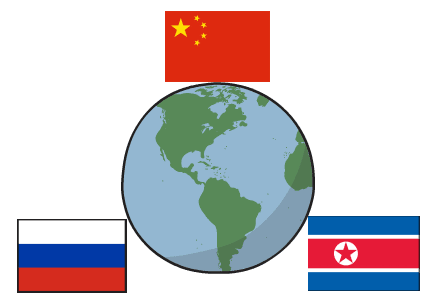
But, property rights don’t exist naturally. They have to be enforced by a government that punishes people for stealing other people’s property as well as not encroaching on its own citizen’s property. And, unfortunately, many countries around the world do not have a government that does this.
(Design/Siby Suriyan)
For example, the Chinese government will cut off people from Alipay and WeChat Pay, popular Chinese payment systems, if they make statements that go against the current authoritarian regime. Russia will freeze people’s bank accounts if they spread news…