



Cryptocurrency is the financial sector’s ‘Knight in Shining Armour’, introducing millions of people to the great things it comes with – anonymity, adaptability, security among others, with Bitcoin and Ethereum being its two most loved squires.


However, for cryptocurrency to be made and transactions to occur, people need to mine them. Sadly, cryptocurrency mining consumes massive amounts of electricity and while Bitcoin is the most used cryptocurrency, it is thus, the most mined.
If you are familiar with the crypto space, then you are more likely to be aware that Bitcoin mining has been attracting growing criticism for its unknightly effect on the environment.
Specifically, the mining process of the genesis crypto asset accounts for 0.6 per cent of the world’s total energy consumption and burns more electricity annually than Norway, at least, going by the Cambridge Bitcoin Electricity Consumption Index.
In addition, the global Bitcoin industry’s overall C02 emissions have also risen to 60 million tons, equal to the exhaust from about nine million cars. That’s up from 20 million tons recorded back in 2019. The increasing rate in C02 emission, however, can be attributed to the increase in crypto activities in recent times.
Energy consumption and evolution of cryptocurrency mining
Twelve years ago, you could mine Bitcoin with a simple setup at home. The amount of energy needed to mine one was a few seconds’ worth at best, and the value of Bitcoin was practically zero.
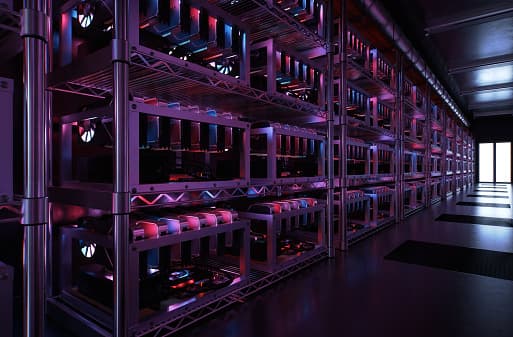
Fast forward to 2022, and you’d need a room full of highly specialised machines, each costing a lot of dollars (upward of $3,000) and the amount of energy required is about $12,500.
The process of mining Bitcoin to spend or trade gulps nearly 91 terawatt-hours of electricity annually, more than is used by Finland, a nation of about 5.5 million people. Furthermore, mining bitcoin goes beyond consumption and bad emissions.
Hardware used in mining is used…