



By Zoheb Sirguroh
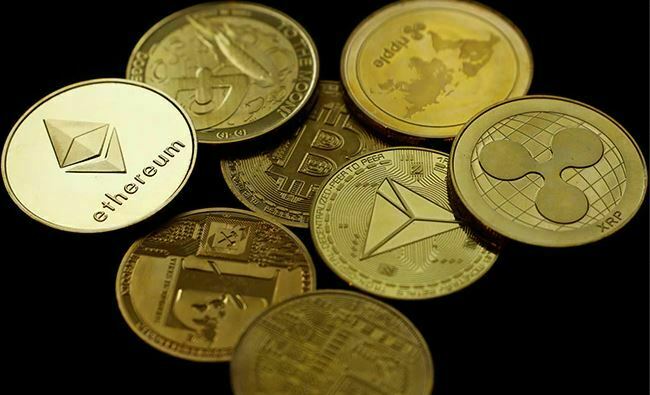
As a digital currency, Bitcoin attracts both attention and controversy. However, the most potent innovation is not bitcoin itself. Rather, it’s the distributed-ledger technology that powers bitcoin. Known as the blockchain, it facilitates payments to flow through an economy in an entirely decentralized way – without banks or other intermediaries. It has the potential to change the financial system as well as reduce the cost and increase the speed and accuracy of financial transactions; it can be a true disruptor in the banking business. Or perhaps, can it fizzle out? Nevertheless, already blockchain is raising a host of policy questions such as financial stability, protection of consumers, elimination of terrorists’ finances, and ironing out tensions between established and upstart financial institutions and between regulatory agencies. This article from the fortnightly cryptocurrency series discusses the future of distributed ledger technology. Special emphasis is laid on the innovation’s impact on financial services and policymaking.


The word bitcoin is a kind of a general description of a concept similar to Kleenex and Xerox. There are more than 600 different digital currencies and a plethora of protocols. Bitcoin can be defined as three things: bitcoin is a currency or it’s a store of value, bitcoin is a financial rail on which money can move around the world, and bitcoin is a ledger on which information can be stored, ownership information as an example. It matters because if one thinks about the opportunities for bitcoin as a currency from a global perspective in emerging markets, the ability for people to store their wealth in something other than a currency that is being devalued or debased year after year, that has some level of appeal. Kind of like a digital version of gold. Use case number two, a financial rail. Those who have sent money to a person cross border, certainly cross-currency, can appreciate the friction of the…