



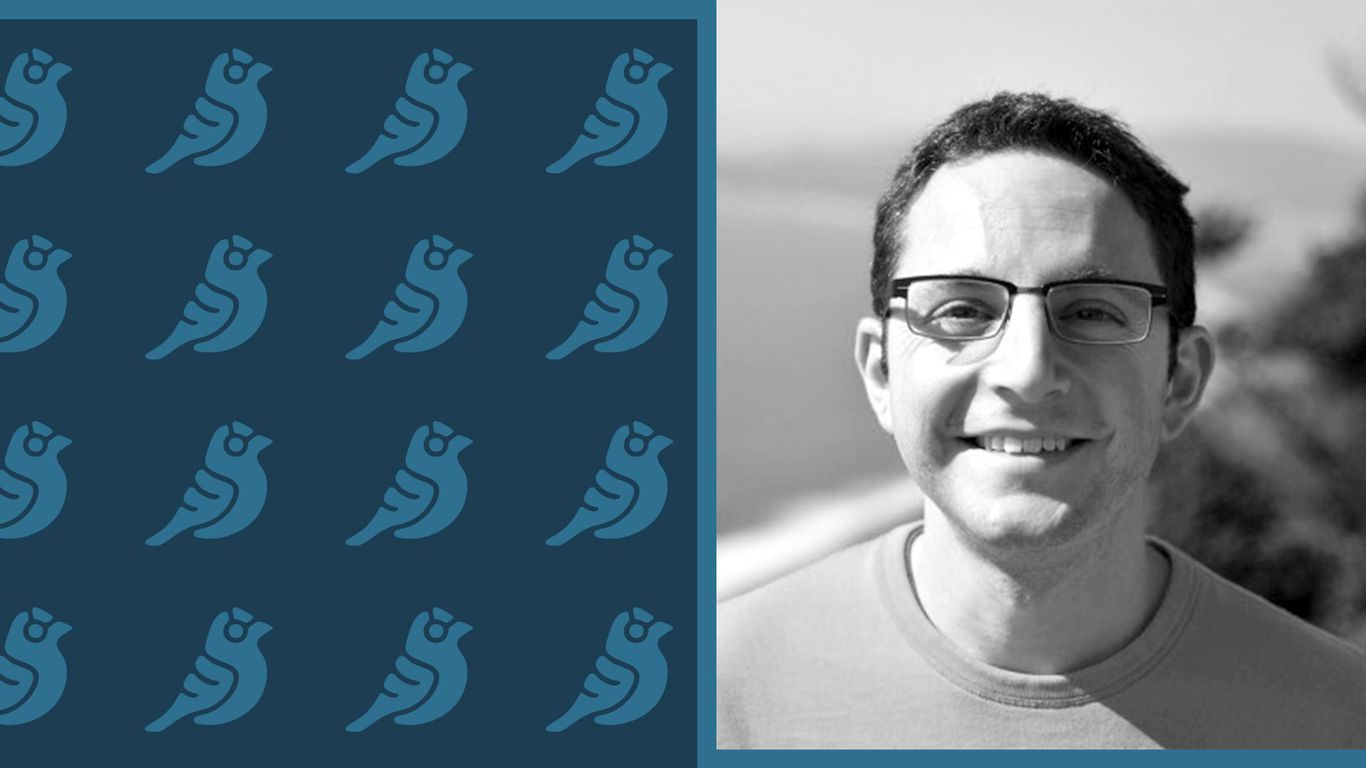

Goldfinch CEO Mike Sall. Photo illustration: Annelise Capossela/Axios. Photo courtesy of Mike Sall
The crypto industry needs to break from its tendency to serve and eat its own cooking.


The big picture: “‘Financial inclusion’ might be a buzz word, but [decentralized finance, or DeFi] has the ability to do this,” Mike Sall, co-founder and chief of decentralized credit protocol Goldfinch, tells Axios.
- “In order for the industry to expand significantly and to have more impact in the world, we have to bring the broader global economy to the space.”
Between the lines: Sall is talking his book: Goldfinch, which runs on the Ethereum blockchain, aims to bootstrap small, non-crypto businesses in emerging countries into the global economy with undercollateralized crypto loans.
- Be smart: Crypto loans backed by crypto assets often require as much as 150% of collateral, but because Goldfinch deals in loans backed by real things like motorcycles or electric cook stoves, its loans requires less, or what is described as being “undercollateralized.”
Why it matters: Credit protocols like these, including Goldfinch, Maple and Centrifuge, are the next frontiers of lending because they’re figuring out how to get capital to businesses that would otherwise go unserved.
- Sall also points out how DeFi protocols like Goldfinch have held up in spite of the crypto contagion involving centralized exchanges.
- “All the assets and transactions are visible right there on-chain. And that’s also the reason why a lot of the [centralized finance] players actually paid their DeFi obligations first, because you can’t hide and you can’t lie,” Sall says.
How it works: Potential borrowers can propose a so-called Borrower Pool to investors on the platform who are looking to generate yield.
- If a bank were underwriting a loan, it would first check a potential borrower’s creditworthiness. Goldfinch uses a network of randomly selected auditors, incentivized to do “human-level” checking on the proposal….