



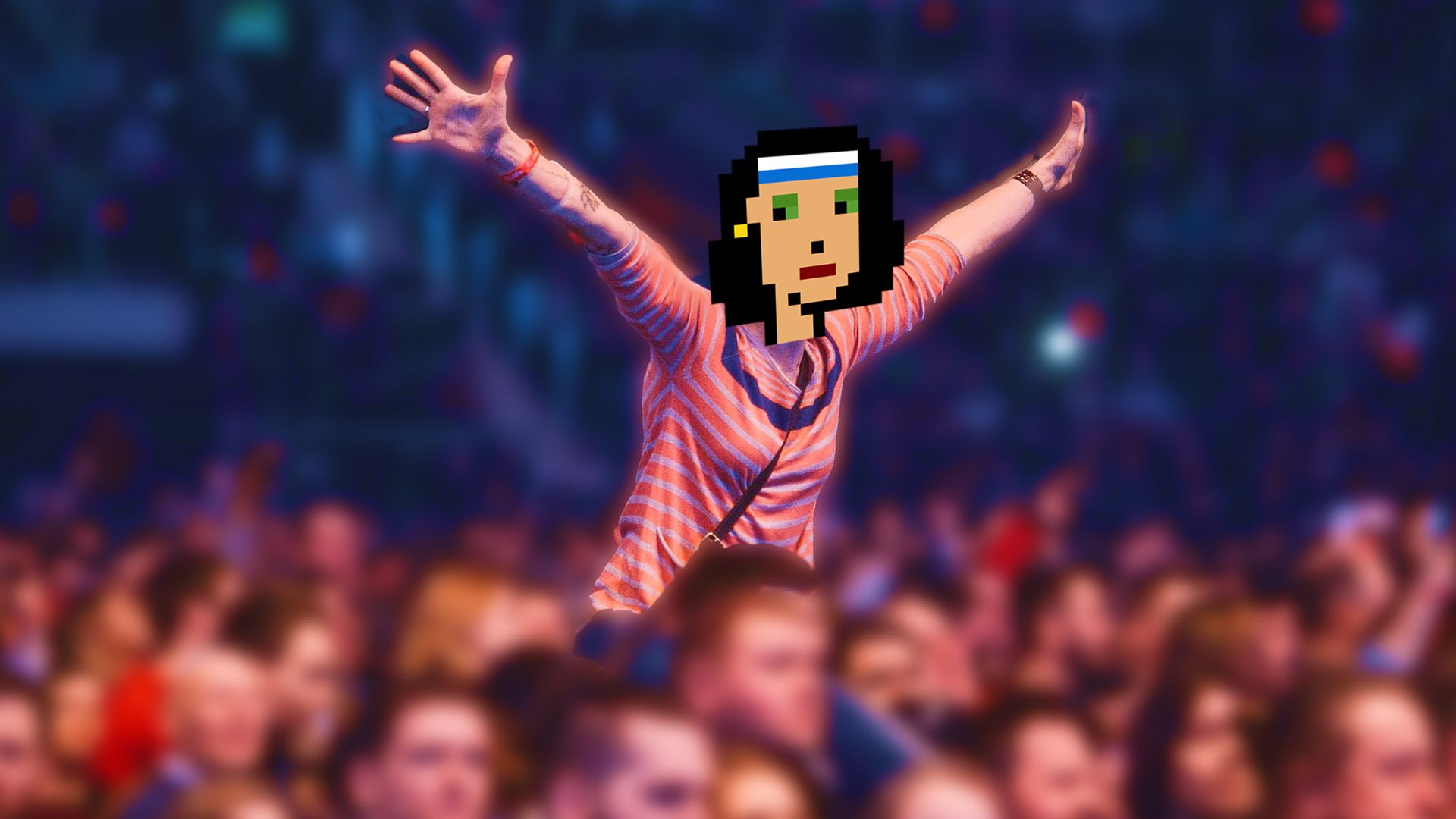
After the release of Beyoncé’s 2016 audiovisual album Lemonade, fans of the singer went into a frenzy. While many were left in awe of the artist’s project, others felt sympathy for the superstar, who, throughout the album, chronicled her husband Jay-Z’s infidelity.


Unfaithful partners are not unique to stardom, but a specific subset of Beyoncé’s core fans, often referred to as the “Beyhive,” launched themselves on a hunt for Jay-Z alleged lover. Eventually, the Beyhive zoned in on the rapper’s former business partner, Rachel Roy, and launched a deluge of social media insults and threats on her and her daughter.
Clearly, this was a case of fandom gone wrong.
But digital identity is evolving, and with it fandom itself. Web3 technology enables fans to interact with each other, media, content creators, and even the celebrities they adore — all in a more interpersonal way. By envisioning fandom as a two-way street, both the fans and creators could enjoy more humanizing experiences. In addition to these, there could also be incentives that fundamentally transform the way we think about the concept of celebrity itself.
Fandom has evolved in the last century
A fandom is best defined as a group of individuals who have feelings of empathy and camaraderie for one another because they share a common interest. Today, many fandoms are full-blown subcultures, with their own way of speaking, dressing, and acting.
But it wasn’t always this way.
Once, fans could only converge in person or online in chat rooms, but social media provided new channels for people to communicate, offering new ways to empathize and relate to each other. This, in turn, even gave rise to superfans. And these devout lovers of their own unique interests found they no longer needed to operate in silos.
Throughout the 2010s, fans were empowered to…