



This article was published in The Stream (September 13, 2022) and is republished with permission.
Can we trust the authenticity of the New Testament scriptures? Trust is foundational in the acceptance of scripture. There’s an interesting lesson to learn from a very modern system of trust: money. Even Bitcoin, believe it or not.


An Exchange of Trust
We’ll start with old-fashioned familiar money. Why is a twenty dollar bill worth $20? It’s just a small sheet of paper, after all. The answer is trust. We trust the piece of paper has value because its worth is backed by the United States government.
We also trust that Walmart will give us $20 worth of Doritos if we give them a twenty dollar bill. The cashier might look at us funny, but there’s an exchange of trust regardless of that.
The cryptocurrency Bitcoin doesn’t have any government backing it, but people still use it to buy and sell. They wouldn’t do that unless they had good reason to trust it. Here’s where we find the interesting parallel with the New Testament Scriptures. Bitcoin and the Bible both establish trust in similar ways.
A Bit About Bitcoin
Bitcoin is still new, so I’ll explain how it works. It’s a digital form of currency. Trust in Bitcoin value is maintained through computer software called blockchain. Imagine a large number of short encrypted computer program blocks linked together. Since a large number of links are connected together, the long program is called a chain — a blockchain.
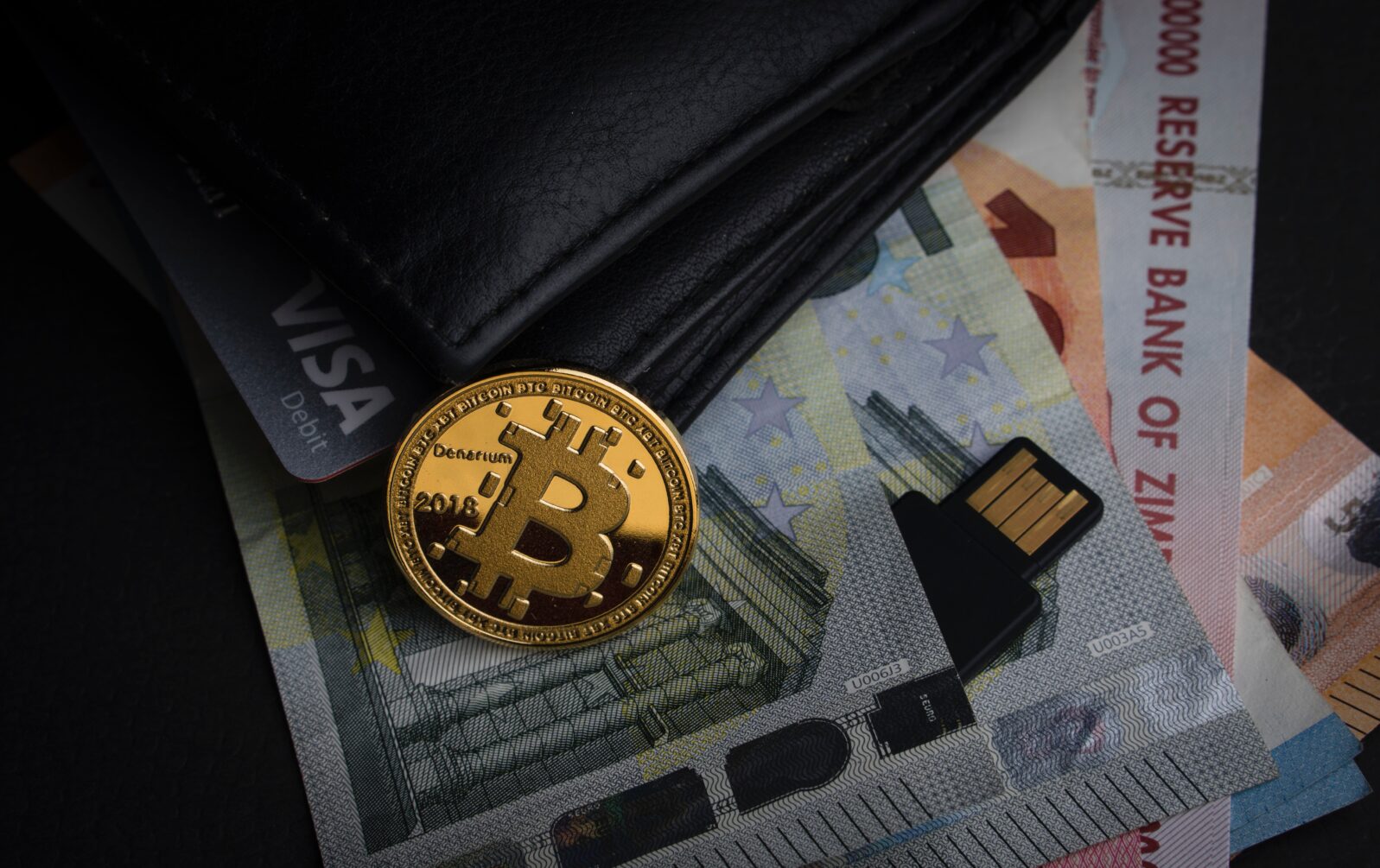
You access your Bitcoin through a password that opens up your account and yours only. Be careful with that password! Californian Stefan Thomas forgot his, and it cost him $220 million dollars.
So why should we trust Bitcoin? Why can’t some hacker come in and add a few links saying they own the coin when they don’t? The answer is the Bitcoin ledger. Many users keep copies of all of the links in the blockchain in a single ledger. They continue to update…